
What Does Activated Carbon Actually Remove?
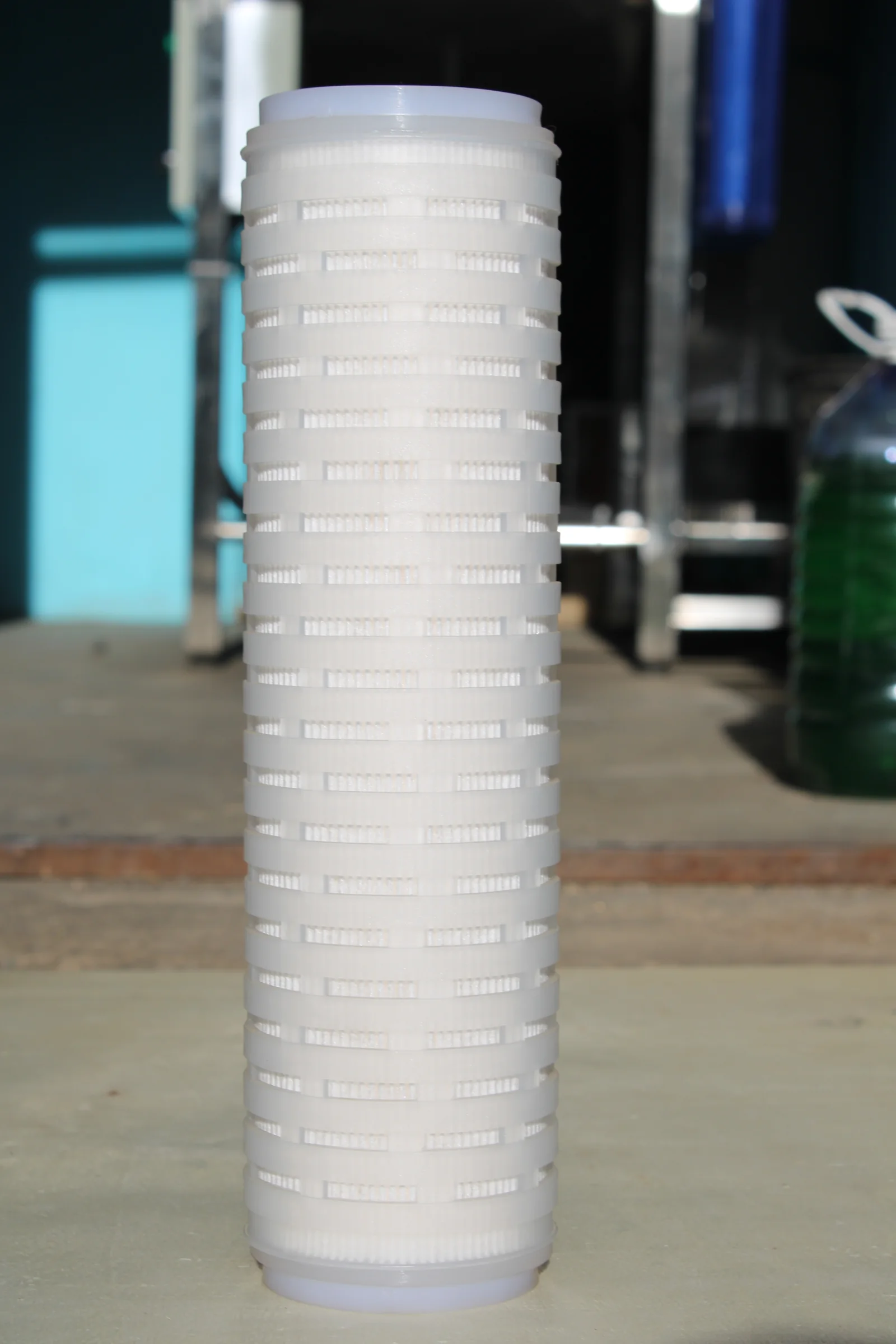
Activated carbon works through adsorption, capturing certain contaminants on its highly porous surface. Depending on the carbon and application, it can help reduce: Chlorine Unpleasant tastes Odours Some organic compounds Certain chemical contaminants Activated carbon is widely used in domestic, commercial and industrial water-treatment applications.
Activated Carbon Price in Kenya
The price depends heavily on whether you're buying carbon media or a complete carbon filtration system. For example, one Kenyan supplier currently lists a 25 kg bag of activated carbon at KSh 22,000, reduced from KSh 25,000. ProductIndicative market priceActivated carbon media, 25 kgAround KSh 22,000+Complete carbon filterVaries by vessel and configurationCommercial carbon filtration systemQuotation-basedIndustrial carbon filtration systemQuotation-based These are market reference prices, not Vortexus fixed prices. Vortexus currently uses an RFQ/quotation model for its industrial products.
One of the biggest advantages is its ability to improve taste and odour while reducing certain unwanted compounds. This makes carbon filtration useful in: Drinking-water systems Hotels Restaurants Food processing Beverage production Borehole treatment Commercial buildings RO pretreatment Industrial water treatment
Activated Carbon for Borehole Water
Borehole water can have an unpleasant taste or odour depending on its chemistry. Activated carbon may help where the problem is caused by contaminants that carbon can adsorb. However, don't buy a carbon filter simply because your borehole water smells bad. First determine what is causing the problem. If the water contains high hardness, iron, manganese or TDS, other treatment technologies may be required. A complete borehole system could therefore look like: Borehole → Sand Filter → Activated Carbon → Softener → Cartridge Filter → RO The actual configuration should be based on laboratory water analysis.
Activated Carbon Before Reverse Osmosis
Carbon filtration can be particularly important in RO pretreatment where chlorine needs to be reduced before a chlorine-sensitive RO membrane. A properly designed system may therefore use: Sediment Filtration → Activated Carbon → Softening → Cartridge Filtration → RO This is why carbon filters and RO systems are often found together in commercial water-treatment plants. Explore Vortexus Industrial RO & Water Treatment Products
Activated Carbon vs Sand Filter
These two products do different jobs. Activated CarbonSand FilterAdsorbs certain chemicals and organic compoundsRemoves suspended particlesHelps reduce chlorineReduces turbidityImproves taste and odourRemoves sedimentUses activated carbon mediaUses sand/filter mediaOften follows sediment filtrationUsually installed earlier For difficult water sources, both can be required.
Activated Carbon vs Water Softener
A water softener is designed primarily for hardness. Activated carbon is primarily used for adsorption. So if your water has high calcium and magnesium, activated carbon isn't a replacement for a water softener. Likewise, a softener won't perform the same function as activated carbon.
Vortexus Industrial Water Treatment
Vortexus Industrial supplies products for water treatment, filtration, RO, chemical dosing, pumps and industrial processes. Its catalogue includes water-treatment products and filtration solutions for industries including food and beverage, pharmaceutical, textile, mining, power and agriculture. View Vortexus Industrial Products For a carbon filtration system, the correct vessel and media should be selected according to your water analysis, flow rate and treatment objective. Request a quotation from Vortexus Industrial
Frequently Asked Questions How much is activated carbon in Kenya? Current Kenyan listings show industrial activated carbon in 25 kg packaging at around KSh 22,000, although prices vary by grade, supplier, quantity and carbon type. What does an activated carbon filter remove? It can reduce chlorine, odours, tastes and certain organic contaminants, depending on the carbon and water chemistry. Can activated carbon remove hardness? No. A water softener is normally used when hardness is the primary problem. Can activated carbon remove iron? It should not automatically be relied upon for dissolved iron removal. Iron-specific treatment may be required depending on the concentration and form of iron. Is activated carbon good for borehole water? It can be useful for specific borehole-water problems, particularly taste, odour and certain organic contaminants, but the water should be tested first. Can activated carbon protect an RO membrane? It can be used as part of RO pretreatment to reduce chlorine where the membrane requires dechlorinated feed water. Need an Activated Carbon Filter in Kenya? If you're dealing with chlorine, unpleasant taste, odour or specific organic contaminants, activated carbon may be an important part of your treatment system. But don't choose the media blindly. Test the water → identify the contaminant → select the carbon → size the filter → install and monitor it. Talk to Vortexus Industrial about activated carbon filtration