
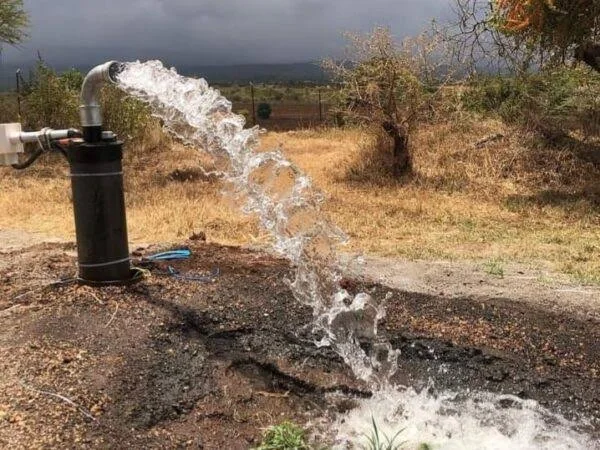
The Hidden Problem With Borehole Water in Kenya
Borehole water is groundwater. As water moves through soil and rock underground, it can dissolve minerals and pick up naturally occurring substances before reaching the aquifer. This means two boreholes in different parts of Kenya can produce very different water quality. One borehole may produce relatively low-mineral water. Another may have high hardness. Another may contain elevated iron or manganese. Another may have high total dissolved solids (TDS). Some sources may also require microbiological treatment depending on the environment and intended use. This is why simply copying a filtration system from another property can be a costly mistake.
The Borehole Mistake: Installing a Pump and Using the Water Immediately
A borehole pump solves one problem: getting groundwater to the surface. It does not necessarily make that water suitable for every application. This distinction is important. A borehole system can be thought of as: Borehole → Pump → Water Treatment → Storage → Distribution → Point of Use The pump moves the water. The treatment system addresses water quality. If you install a powerful pump but ignore water treatment, you may simply be distributing untreated groundwater throughout the property more efficiently. And that's where the long-term costs can begin.
1. Hard Borehole Water Can Destroy Plumbing Over Time
Hard water contains elevated concentrations of minerals, particularly calcium and magnesium. When hard water is heated or conditions allow minerals to precipitate, scale can form on surfaces. This can affect: Water heaters Shower heads Taps Pipes Boilers Washing machines Dishwashers Pumps Plumbing fittings In a rental property with many apartments, the problem can multiply. One blocked shower head may not seem expensive. But imagine replacing or repairing plumbing components across dozens of apartments repeatedly. The maintenance bill can become significant. Why Scale Is More Than an Appearance Problem Scale buildup can reduce the internal diameter of pipes and restrict water flow. It can also accumulate on heating elements. When heating elements become coated with scale, heat transfer can become less efficient. That can contribute to higher energy consumption and equipment maintenance. For landlords with electric water heaters, this can become a recurring operating expense. A water softening system may be appropriate where hardness is confirmed to be the primary problem. However, water should be tested before selecting a softener or any other treatment equipment.
2. Iron Can Turn Your Water Brown or Yellow
Iron is another common concern with some borehole water sources. Water containing elevated iron may appear clear when first pumped but develop yellow, orange or brown staining after exposure to air. Landlords may notice staining around: Sinks Toilets Bathtubs Shower areas Laundry equipment Plumbing fixtures Tenants may interpret this as dirty or unsafe water even when the underlying issue is naturally occurring iron in the groundwater. Iron can also affect the performance of some water treatment and plumbing systems. If laboratory testing confirms elevated iron, the appropriate treatment approach may involve an iron-removal filtration system or another technology suited to the water chemistry. The important point is that iron removal should be designed around the actual concentration and form of iron present.
3. Manganese Can Create Another Set of Problems
Manganese can occur naturally in groundwater and may cause dark staining and other water-quality problems when present at elevated concentrations. It can also become more difficult to manage when combined with iron and other contaminants. If your borehole water has unexplained staining, colour changes or unpleasant characteristics, don't simply install a generic filter. Test the water. The treatment system should be selected according to the laboratory results
4. Sediment Can Block Your Entire System
Borehole water can sometimes carry suspended particles and sediment. If these particles are not adequately removed, they can travel into the property's water infrastructure. Over time, sediment can affect: Pumps Valves Pipes Storage tanks Cartridge filters Water heaters Irrigation systems Household appliances A properly selected sediment or multimedia filtration stage can help reduce this load before water reaches sensitive equipment. But again, the correct filter depends on the type and concentration of material in the water
5. High TDS Can Make Borehole Water Unsuitable for Certain Applications
TDS stands for total dissolved solids. It provides an indication of the concentration of dissolved substances in water. High TDS does not automatically mean that water is unsafe. However, elevated TDS can affect taste, scaling, equipment performance and suitability for particular applications. For landlords supplying water to tenants, the important question is not simply: "Is this borehole water clear?" It is: "What is actually dissolved in this water?" Testing can provide a much better picture. Where dissolved contaminants need to be substantially reduced, reverse osmosis may be considered as part of a broader water treatment system.
Why a Generic Borehole Filter May Not Solve the Problem
One of the most common mistakes is buying a filter because it is advertised as a "borehole water filter" without first understanding the water chemistry. A filter designed primarily for sediment may not remove dissolved hardness. A softener designed for hardness may not address high TDS. An iron-removal system may not solve microbiological contamination. A carbon filter has a specific role and should not be expected to remove every contaminant. And reverse osmosis is not automatically the correct solution for every borehole. The treatment technology needs to match the problem.
What Should a Borehole Water Treatment System Include?
treatment may be required. Water Softening If hardness is the primary concern, a water softener can help reduce calcium and magnesium that contribute to scale formation. Activated Carbon Filtration Activated carbon can be useful for specific contaminants and water-quality concerns, depending on the application and water analysis. Cartridge Filtration Cartridge filters can provide finer particulate filtration downstream of other treatment stages. Reverse Osmosis RO can significantly reduce dissolved salts and other contaminants when the application and water quality require it. For landlords, commercial buildings and industrial facilities, the correct configuration should be determined by the source water and intended use.
Why Water Testing Should Come Before Buying Equipment
Imagine spending hundreds of thousands of shillings on a filtration system only to discover that it doesn't address the main problem in your borehole water. This happens when equipment is selected before water quality is properly understood. A water analysis can help determine the appropriate treatment strategy. Depending on the source and application, testing may include parameters such as: pH TDS Conductivity Turbidity Hardness Iron Manganese Chloride Sulphate Nitrate Fluoride Microbiological parameters Other contaminants relevant to the source The exact testing requirements should depend on the intended use of the water and applicable standards. For landlords, this can save money because you are designing the system around an actual problem rather than guessing.
The Real Cost of Untreated Borehole Water
The cost of poor borehole water treatment doesn't always appear as one large bill. It can appear as dozens of smaller expenses. A tenant reports low water pressure. A plumber is called. A shower head is blocked. A water heater is descaled. A tap is replaced. A washing machine develops a problem. A pipe requires maintenance. A storage tank needs cleaning. A filter needs replacing more frequently. Another tenant complains about staining. Individually, these costs may seem manageable. Collectively, they can become a significant monthly expense. And because landlords often treat these as separate maintenance problems, the underlying water-quality issue can remain unresolved. How Untreated Borehole Water Can Affect Tenants Water quality is also a tenant satisfaction issue. Tenants may complain about: Brown or yellow staining Bad taste Unusual odour Scale on taps Blocked shower heads Dry-feeling water Poor laundry results Low water pressure Even if the borehole itself is producing sufficient water, poor water quality can create the perception that the property's water system is unreliable. For landlords competing for tenants, that can become a business problem. Reliable water is not just about having enough litres. It is also about delivering water of appropriate quality.
What About Borehole Water for Apartments?
Apartment buildings can have more complicated requirements than individual homes. A typical apartment development may have: Borehole → Pump → Treatment → Storage Tank → Booster Pump → Multiple Apartments That means water treatment needs to be considered alongside: Pump sizing Storage capacity Pressure requirements Peak demand Filtration capacity Maintenance requirements Water quality Future occupancy A treatment system that is too small may struggle to keep up with demand. A system that is unnecessarily large can increase capital and operating costs. Proper system sizing is therefore just as important as selecting the treatment technology.
When Should a Kenyan Landlord Consider Borehole Water Treatment?
You should consider a professional water treatment assessment if you notice: Persistent scale on taps and heaters Brown, yellow or black staining Sediment in storage tanks Bad taste or odour Frequent filter blockages Reduced water pressure High TDS High hardness Elevated iron or manganese Recurring plumbing problems Tenant complaints about water quality Increasing water-system maintenance costs The solution isn't necessarily expensive equipment. Sometimes a relatively simple filtration or softening system can address the main issue. Other properties may require a more comprehensive treatment system. The important thing is to identify the problem first.
Need a Borehole Water Filtration System?
If you're a landlord, property developer, apartment manager or facility owner using borehole water, the first step shouldn't be buying the biggest filter you can find. Test the water first. Once the water chemistry is understood, a treatment system can be selected based on the actual requirements of the property. Vortexus Industrial provides water treatment and filtration solutions for commercial and industrial applications. Explore Vortexus Industrial's water treatment solutions to find filtration, reverse osmosis and other water treatment solutions, or contact the Vortexus Industrial team to discuss your borehole water requirements.
Continue The Conversation