
1. Petrol Irrigation Water Pumps Petrol-powered water pumps are popular among small and medium-scale farmers because they are relatively portable and don't require grid electricity. They can be useful for: Vegetable farms Small-scale irrigation Water transfer Filling storage tanks Emergency water supply Construction sites Farms without reliable electricity Petrol Pump Prices in Kenya Depending on horsepower and specifications, petrol irrigation pumps can cost approximately: KSh 20,000 – KSh 120,000+ A small pump may be adequate for transferring water over relatively short distances, while larger high-pressure models can support more demanding irrigation applications.
2. Diesel Irrigation Water Pumps
Diesel pumps are often preferred for larger farms and heavy-duty applications where the pump needs to operate for extended periods. They can provide high flow rates and are suitable where electricity is unavailable or unreliable. Typical applications include: Large-scale irrigation Sprinkler systems Water transfer Agricultural projects Construction Commercial farms Large water storage systems Diesel Water Pump Prices in Kenya A diesel irrigation pump can cost approximately: KSh 80,000 – KSh 300,000+ The final price depends heavily on horsepower, pump construction, flow rate, head and manufacturer.
3. Electric Irrigation Pumps
Electric water pumps can be an excellent option for farms with reliable electricity. One of their biggest advantages is potentially lower running costs compared with continuously operating petrol or diesel pumps. Electric pumps are commonly used for: Drip irrigation Greenhouses Small farms Water transfer Storage tanks Booster applications Commercial irrigation However, electricity availability should be considered before purchasing an electric irrigation pump.
4. Solar Water Pumps for Irrigation
Solar pumping has become increasingly attractive for Kenyan farmers, particularly in areas where electricity is unavailable or expensive to extend. A solar irrigation system can use solar panels to power a pump during daylight hours. The system can be used for: Boreholes Rivers Wells Water reservoirs Drip irrigation Livestock watering Large-scale agricultural projects The initial investment is usually higher than buying a basic petrol pump. However, solar systems can significantly reduce ongoing fuel and electricity costs. A complete solar irrigation system may cost anywhere from approximately KSh 100,000 to KSh 500,000+, depending on pump capacity, solar panel capacity, borehole depth, water requirements and installation.
Solar pumping has become increasingly attractive for Kenyan farmers, particularly in areas where electricity is unavailable or expensive to extend. A solar irrigation system can use solar panels to power a pump during daylight hours. The system can be used for: Boreholes Rivers Wells Water reservoirs Drip irrigation Livestock watering Large-scale agricultural projects The initial investment is usually higher than buying a basic petrol pump. However, solar systems can significantly reduce on
Solar pumping has become increasingly attractive for Kenyan farmers, particularly in areas where electricity is unavailable or expensive to extend. A solar irrigation system can use solar panels to power a pump during daylight hours. The system can be used for: Boreholes Rivers Wells Water reservoirs Drip irrigation Livestock watering Large-scale agricultural projects The initial investment is usually higher than buying a basic petrol pump. However, solar systems can significantly reduce ongoing fuel and electricity costs. A complete solar irrigation system may cost anywhere from approximately KSh 100,000 to KSh 500,000+, depending on pump capacity, solar panel capacity, borehole depth, water requirements and installation.
Best Irrigation Pump for Small Farms in Kenya
For a small farm growing vegetables, fruits or other crops, a compact pump may be sufficient. For example, a farmer with a relatively small water source and short pumping distance might consider a 2–3 HP petrol or electric pump. However, don't purchase based solely on horsepower. The pump should be selected according to the required: Flow + Head + Pressure + Operating Time A smaller pump with the correct specifications can be more economical than an oversized pump.
Best Irrigation Pump for Large Farms
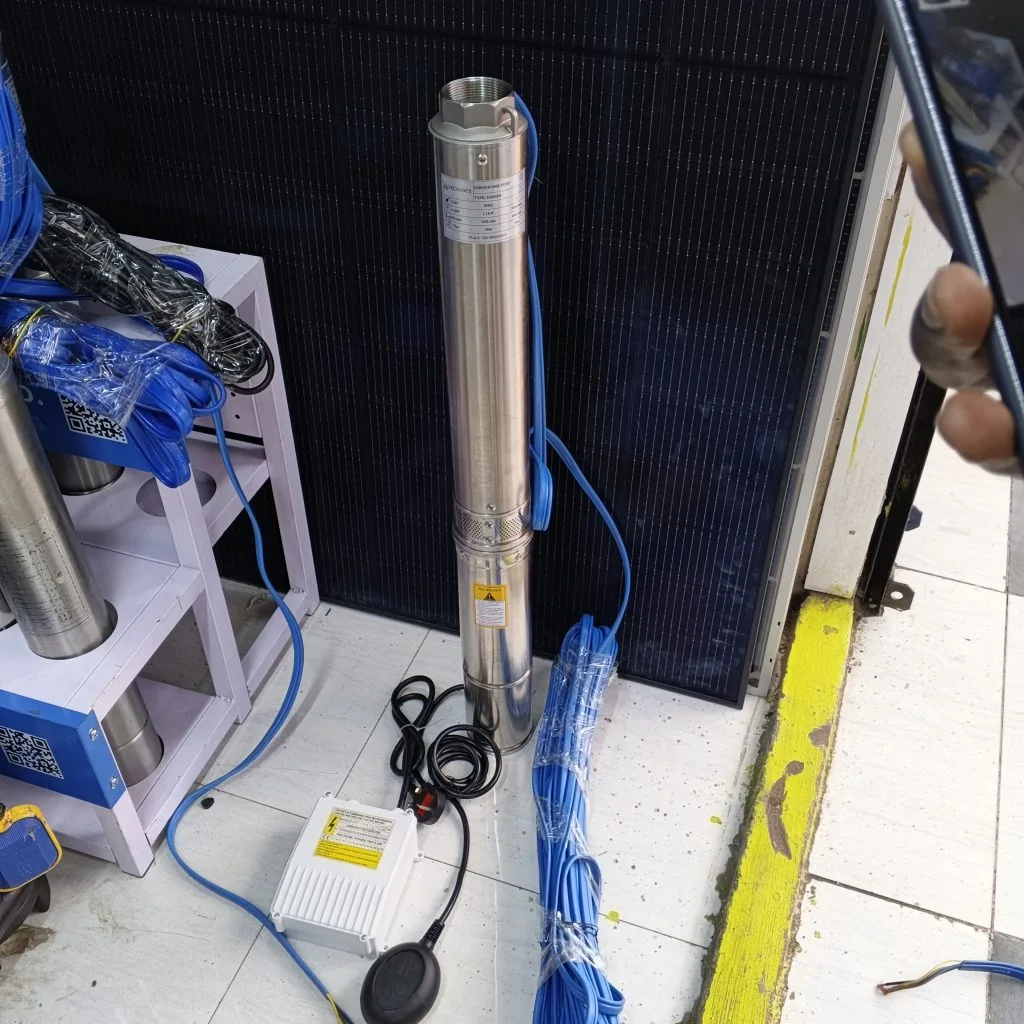
Large farms typically have significantly higher water requirements. Depending on the water source and irrigation system, options can include: Large diesel pumps High-flow electric pumps High-pressure pumps Solar pumping systems Centrifugal pumps Borehole submersible pumps For commercial farms, the cost of the entire pumping system can be more important than the initial pump price. You need to consider: Pump efficiency Fuel consumption Electricity consumption Maintenance Spare parts Pipe sizing Installation Expected operating hours Replacement costs A cheap pump that consumes excessive fuel can become considerably more expensive over several years.
irrigation Pump Size for Different Farm Sizes Farm size alone cannot determine pump size, but the following can provide a starting point: Farm/ApplicationPossible Pump CategorySmall kitchen garden1–2 HPSmall vegetable farm2–3 HPMedium farm3–7 HPLarge farm7–15+ HPCommercial irrigationHigh-flow industrial pumpDeep boreholeSubmersible borehole pumpRemote farmSolar pumping system These are general starting points, not engineering specifications. Your irrigation designer or pump supplier should calculate the required flow and total dynamic head before you purchase.
What Is Total Dynamic Head?
One of the biggest mistakes farmers make when buying irrigation pumps is looking only at horsepower. Total Dynamic Head (TDH) considers the total resistance the pump needs to overcome. It can include: Vertical lifting distance Pipe friction Fittings Valves Pressure requirements Irrigation equipment For example, a pump moving water 10 metres vertically over a short pipe run has very different requirements from a pump moving water 10 metres vertically and then another 300 metres horizontally through a narrow pipe. This is why a supplier should know the complete installation details before recommending a pump.
How Much Water Does Your Farm Need?
Your water requirement depends on the crop, climate, irrigation method, soil and farm size. For example, a greenhouse producing vegetables may have very different water requirements from a large maize or fruit farm. Before buying an irrigation pump, determine: Required water volume → Required flow rate → Required pressure → Required pump head This helps prevent both under-sizing and over-sizing.
The cheapest pump isn't necessarily the cheapest solution. A low-cost pump may have: Higher fuel consumption Shorter service life Limited spare parts Lower efficiency Poor pressure performance Frequent maintenance requirements A quality pump may cost more initially but provide better performance over its operating life. For commercial agriculture, total cost of ownership is often more important than purchase price.
Where to Buy Irrigation Water Pumps in Kenya
Water pumps: Vortexus Industrial Pumps & Fluid Handling
CNP pumps: CNP Pumps at Vortexus Industrial
CNP vertical inline pump: CNP Vertical Inline Centrifugal Pump
CNP end-suction pump: CNP Blue Cast Iron End-Suction Centrifugal Pump
CNP stainless-steel pump: CNP Stainless Steel Horizontal Centrifugal Pump
Request a quotation: Request a Pump Quote from Vortexus Industrial