
A beautiful swimming pool is only as good as the equipment working behind the scenes. Crystal-clear pool water does not happen by accident. It depends on the right combination of pool filtration, circulation, pumping, cleaning, and water treatment equipment. When these components are correctly selected and sized, your pool can remain cleaner, healthier, easier to maintain, and more efficient to operate.
Whether you are building a new swimming pool, renovating an existing one, or replacing old equipment, choosing the right swimming pool pump and filtration system should be one of your biggest priorities. At Reesolmart, we provide swimming pool equipment and accessories designed to support reliable pool operation, from filtration and circulation to maintenance and water management.
What Makes a Good Swimming Pool Setup? A swimming pool system has several components working together. At the heart of the system is the circulation loop: Pool → Skimmer → Pump → Filter → Return → Pool The pump moves water through the system, while the filter removes suspended dirt and particles. Additional pool equipment can then be used to improve cleaning, water quality, heating, safety, and overall pool performance. A properly designed swimming pool setup should therefore consider: Pool size Water volume Pump flow rate Filter capacity Pipework Turnover requirements Pool usage Cleaning requirements Available installation space Maintenance requirements Buying the cheapest individual component may not produce the cheapest or best-performing pool system.
Why Your Swimming Pool Pump Matters The swimming pool pump is responsible for circulating water through the filtration system. Without adequate circulation, dirt, debris, and contaminants can remain in the pool instead of being captured by the filter. A properly selected pool pump helps move water efficiently while providing the flow required by the filtration system and other equipment. However, bigger is not always better. An oversized pump can increase electricity consumption and may create unnecessarily high flow rates for the filtration system. An undersized pump may struggle to provide sufficient circulation. The goal is to select a pump that matches the pool's requirements.
How to Choose the Right Pool Pump Before buying a swimming pool pump, consider several factors. 1. Pool volume You need to know approximately how much water the pool contains. A larger pool generally requires a circulation system capable of handling a larger volume of water. 2. Required flow rate Pump capacity should be considered alongside the desired turnover rate and the resistance created by the plumbing system. 3. Pipework Pipe diameter, pipe length, fittings, valves, and elevation changes can all influence system resistance. 4. Filter capacity Your pump and filter should be compatible. A pump that pushes water at a rate beyond what the filter is designed to handle may negatively affect filtration performance. 5. Operating costs Electricity is an ongoing pool maintenance expense. An efficient pump can therefore make a difference over the life of the swimming pool.
The Pool Filter: Your First Line of Defense Against Dirty Water The swimming pool filter removes suspended particles from the water as it circulates through the system. Even when the pool looks clean, the water can contain microscopic particles, dust, oils, and other contaminants. The filter captures many of these particles and helps maintain water clarity. There are several types of pool filtration systems, but one of the most common choices for residential and commercial pools is the sand filter.
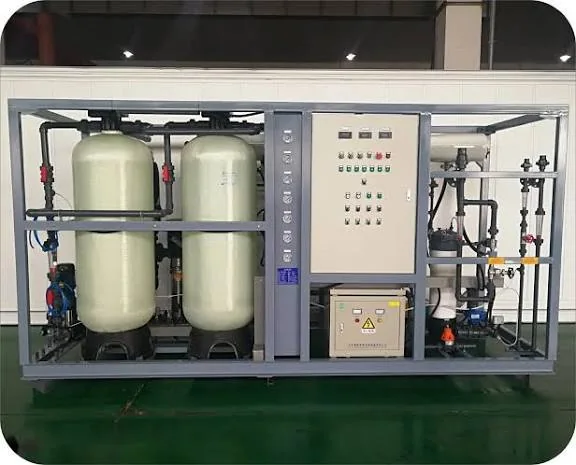
Sand Filters for Swimming Pools A swimming pool sand filter uses specially graded filter media to trap suspended particles as water passes through the filtration vessel. Sand filtration is popular because it is relatively straightforward to operate and maintain. A typical sand filtration system includes: Filter vessel Filter media Multiport valve Pressure gauge Pump Pipe connections One of the major advantages of a sand filter is that it can be cleaned through a process known as backwashing. During backwashing, water is directed through the filter in the opposite direction to normal filtration flow. This helps remove accumulated dirt from the filter media. Regular maintenance is important because a dirty or poorly maintained filter can reduce circulation efficiency.
Why Pool Filtration and Pumping Must Work Together A common mistake when building a swimming pool is choosing the pump and filter separately. The two components need to be properly matched. Imagine installing a high-capacity pump with an undersized filter. The pump may move a large volume of water, but the filter may not be able to handle that flow effectively. Now consider the opposite situation. A large filter paired with a pump that cannot provide sufficient flow may result in inefficient system operation. The best setup is a balanced system where: Pump capacity + filter capacity + pipework + pool volume = efficient circulation This is why professional pool equipment selection matters.
How Often Should Pool Water Be Filtered? There is no single filtration schedule that applies to every swimming pool. The appropriate operating time depends on factors including: Pool size Pump flow rate Filter type Number of swimmers Weather Debris entering the pool Water temperature Pool usage Chemical balance Pools used heavily may require more filtration than lightly used residential pools. Instead of simply copying another pool owner's schedule, it is better to understand your own pool's circulation requirements.
Swimming Pool Equipment Beyond the Pump and Filter A complete pool setup involves much more than just a pump and filter. Depending on your pool, additional equipment can include: Pool skimmers Skimmers help remove floating debris from the surface of the water before it sinks. Pool valves Valves control the direction and flow of water through different sections of the system. Pool cleaners Automatic or manual cleaning equipment can help remove dirt from pool floors and walls. Pool vacuum equipment Vacuum systems help remove particles that settle on the pool floor. Pool ladders and handrails These improve accessibility and safety. Pool lights Lighting can improve visibility and aesthetics, particularly for pools used at night. Pool thermometers Temperature monitoring helps pool owners understand water conditions. Chemical dosing equipment Automated or manual dosing equipment can help maintain appropriate water chemistry depending on the treatment system. Pool Pumps and Filters for Kenyan Swimming Pools Swimming pools in Kenya are exposed to conditions that can increase maintenance requirements. Dust, leaves, insects, intense sunlight, and frequent pool use can all affect water quality. Pool owners in Nairobi, Mombasa, Kisumu, Nakuru, Eldoret, and other parts of Kenya may therefore need to consider local environmental conditions when selecting equipment. A pool located near dusty roads or landscaped gardens may experience a higher debris load than a pool in a controlled indoor environment. This can influence filtration requirements and maintenance frequency. For commercial pools, hotels, apartments, schools, gyms, clubs, and recreational facilities, equipment selection becomes even more important because the pool may experience significantly higher usage.
Common Swimming Pool Equipment Mistakes
Mistake 1: Buying a pump based only on horsepower
A pump's horsepower alone does not tell you whether it is appropriate for your pool.
Flow rate, system resistance, filter capacity, and operating conditions matter.
Mistake 2: Choosing the cheapest filter
A cheap filter that is poorly matched to your system can create long-term maintenance problems.
Mistake 3: Ignoring pipework
The pump cannot operate efficiently if the plumbing system creates excessive resistance.
Mistake 4: Neglecting maintenance
Even the best equipment will perform poorly if filters are not cleaned and pumps are not maintained.
Mistake 5: Overlooking energy consumption
A swimming pool pump can run for many hours, meaning electricity consumption can become a significant operating expense.
Mistake 6: Installing equipment without proper sizing
Pool equipment should be selected based on the actual pool specifications rather than guesswork.
At Vortexus industrial our swimming pool equipment range is designed to help pool owners, contractors, hotels, institutions, and commercial facilities find the equipment they need for effective pool operation and maintenance.